Guide
Business vs. Personal Credit Cards: Which Should You Use?
If you run a business, you can often choose between a personal card and a business card. Both can work, but they differ in how they are underwritten, how they are protected and how they help you keep records.
Why owners choose business cards
- Separation of spending. Keeping business purchases on a dedicated card simplifies bookkeeping and tax preparation.
- Employee cards. Many issuers let you add employee cards with spending controls.
- Business-focused rewards. Some cards reward categories such as office supplies, advertising or shipping.
Differences to understand
Consumer protections that apply to personal cards do not always apply in the same way to business cards. Many issuers also require a personal guarantee, which means you are personally responsible for the balance. Business card activity may or may not appear on your personal credit report, depending on the issuer.
How to choose
Compare the annual fee, rewards categories, employee-card terms and reporting practices. If your business is new, you may apply using your personal credit profile and your own income. Confirm eligibility and current terms with the issuer before you apply.
This guide is general information, not financial advice. Card terms vary by issuer and change over time; confirm details with the issuer before applying.
Small Business Credit Cards to compare
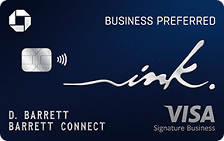
Ink Business Preferred® Credit Card
- Earn 90k bonus points after you spend $8,000 on purchases in the first 3 months from account opening. That's $900 cash…
- Earn 3 points per $1 on the first $150,000 spent on travel and select business categories each account anniversary…
- Annual fee
- $95
- Recommended credit
- Excellent / Good
- Purchase APR
- 20.74% to 25.74% Variable
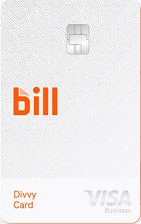
BILL Divvy Corporate Card
- Ideal for companies that struggle with expense reports, reimbursements, receipts, and expensive annual service contracts
- Combines seamless expense management software with business cards so you never have to process another expense report
- Annual fee
- None
- Recommended credit
- Excellent / Good / Fair

Capital One Spark Cash Plus
- Earn up to a $1,000 cash bonus; $500 once you spend $5,000 in the first 3 months, and $500 once you spend $50,000 in…
- Earn unlimited 2% cash back on every purchase, everywhere-with no limits or category restrictions
- Annual fee
- $150
- Recommended credit
- Excellent
More guides
How to Choose a Credit Card in 2026
Picking a credit card in 2026 comes down to one question: what do you want the card to do for you?
How Balance Transfer Credit Cards Work
A balance transfer moves debt from one or more credit cards to a new card, usually to take advantage of a lower or 0% introductory APR.
Secured Credit Cards Explained: How They Work and When to Move On
A secured credit card works like any other credit card at the checkout, but you provide a refundable cash deposit when you open the account.
Credit Card APR Explained: Purchase, Balance Transfer, Cash Advance and Penalty Rates
APR, or annual percentage rate, is the yearly cost of borrowing on a credit card, expressed as a percentage.
Credit Score Ranges and Credit Card Approval
Card issuers describe their products with labels such as “excellent,” “good” or “fair” credit.
Cash Back vs. Travel Rewards: Which Credit Card Type Fits You?
Rewards cards fall into two broad camps: cash back cards that return a percentage of your spending as money, and travel cards that earn points or miles for trips.
How to Build Credit with a Credit Card
A credit card can be one of the simplest ways to build a credit history, because card issuers report your account activity to the credit bureaus.
Credit Card Annual Fees Explained: When a Fee Is Worth Paying
An annual fee is a yearly charge for keeping a credit card open.
How to Read Credit Card Terms and Disclosures
Before you apply for a card, the issuer must show a standardized summary of rates and fees.