Guide
Cash Back vs. Travel Rewards: Which Credit Card Type Fits You?
Rewards cards fall into two broad camps: cash back cards that return a percentage of your spending as money, and travel cards that earn points or miles for trips. Both can be worthwhile. The right choice depends on how much effort you want to put in and how you like to use rewards.
Why people choose cash back
- Simplicity. A cash back rate is easy to understand and compare.
- Predictable value. Cash back is worth the same no matter how you redeem it.
- Lower costs. Many cash back cards have no annual fee.
Cash back cards come as flat-rate cards that pay the same on every purchase, or tiered and category cards that pay more in specific categories such as groceries or gas. Pairing a flat-rate card with a category card is a common way to earn more without much effort.
Why people choose travel rewards
- Potentially higher value. Points and miles can be worth more when redeemed for certain flights or hotel stays.
- Travel benefits. Many travel cards include travel insurance, no foreign transaction fees and, on premium cards, perks such as lounge access.
- Loyalty perks. Airline and hotel cards can include free checked bags, elite status or free-night certificates.
The trade-off is complexity. Point values change with the redemption option, award availability can be limited, and the best-value cards often carry annual fees that you need to offset with benefits you actually use.
A quick way to decide
If you travel a few times a year or less, or you want rewards you never need to think about, cash back is usually the better fit. If you travel often, already have a preferred airline or hotel brand, and are willing to learn a program’s rules, a travel card can return more value.
Fees change the math
For any card with an annual fee, estimate the rewards and benefits you would realistically use in a year and subtract the fee. Compare that figure with what a no-fee card would earn on the same spending. If the difference is small, the simpler card wins.
This guide is general information, not financial advice. Card terms vary by issuer and change over time; confirm details with the issuer before applying.
Cash Back Credit Cards to compare

Chase Freedom Unlimited®
- INTRO OFFER: Earn an additional 1.5% cash back on everything you buy (on up to $20,000 spent in the first year) - worth…
- Enjoy 6.5% cash back on travel purchased through Chase Travel, our premier rewards program that lets you redeem rewards…
- Annual fee
- None
- Recommended credit
- Excellent / Good
- Intro APR
- 0% for 15 months from account opening date

Discover it® Chrome Gas & Restaurants
- 2% cash back at gas stations and restaurants on up to $1,000 per quarter
- 1% cash back on all other purchases
- Annual fee
- None
- Recommended credit
- Excellent / Good
- Intro APR
- 0% for 15 months from date of account opening
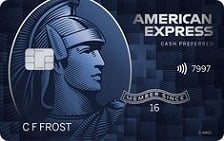
Blue Cash Preferred® Card from American Express
- Earn a $300 statement credit after you spend $3,000 in purchases on your new Card within the first 6 months.
- $0 intro annual fee for the first year, then $95.
- Annual fee
- $0 for the first year. Then $95
- Recommended credit
- Excellent / Good
- Intro APR
- 0% for 12 months from account opening date
More guides
How to Choose a Credit Card in 2026
Picking a credit card in 2026 comes down to one question: what do you want the card to do for you?
How Balance Transfer Credit Cards Work
A balance transfer moves debt from one or more credit cards to a new card, usually to take advantage of a lower or 0% introductory APR.
Secured Credit Cards Explained: How They Work and When to Move On
A secured credit card works like any other credit card at the checkout, but you provide a refundable cash deposit when you open the account.
Credit Card APR Explained: Purchase, Balance Transfer, Cash Advance and Penalty Rates
APR, or annual percentage rate, is the yearly cost of borrowing on a credit card, expressed as a percentage.
Credit Score Ranges and Credit Card Approval
Card issuers describe their products with labels such as “excellent,” “good” or “fair” credit.
How to Build Credit with a Credit Card
A credit card can be one of the simplest ways to build a credit history, because card issuers report your account activity to the credit bureaus.
Credit Card Annual Fees Explained: When a Fee Is Worth Paying
An annual fee is a yearly charge for keeping a credit card open.
How to Read Credit Card Terms and Disclosures
Before you apply for a card, the issuer must show a standardized summary of rates and fees.
Business vs. Personal Credit Cards: Which Should You Use?
If you run a business, you can often choose between a personal card and a business card.