Guide
How to Build Credit with a Credit Card
A credit card can be one of the simplest ways to build a credit history, because card issuers report your account activity to the credit bureaus. Used carefully, a card shows lenders that you borrow and repay reliably. Used carelessly, it does the opposite. This guide covers the habits that matter most.
Start with the right kind of card
If you have little or no history, issuers typically steer you toward starter products. A secured card asks for a refundable deposit that backs your credit line, while a student card is designed for people who are enrolled in college. Some issuers also offer cards for people with fair or limited credit. Compare the annual fee, the recommended credit profile and how the issuer reports to the bureaus before you apply.
Pay on time, every time
Payment history is the factor most credit scoring models weigh heavily. Set up automatic payments for at least the minimum due, and pay the full statement balance whenever you can so you avoid interest altogether.
Keep your balance low relative to your limit
Credit utilization is the share of your available credit that you are using. Lower utilization generally helps. Using the card for a small recurring bill and paying it off each month keeps the account active without building debt.
Apply sparingly
Each application can trigger a hard inquiry, and new accounts lower the average age of your history. Apply when you have a clear reason, and use the pre-qualification tools some issuers offer, which typically do not affect your score.
Be patient
A credit history grows over time. Keep your oldest account open if it has no fee, check your reports regularly for errors and confirm current terms on the issuer’s site before you apply for any card.
This guide is general information, not financial advice. Card terms vary by issuer and change over time; confirm details with the issuer before applying.
Secured Credit Cards to compare
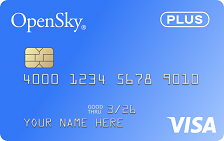
OpenSky® Plus Secured Visa®
- New feature! Earn up to 10% cash back on everyday purchases
- No credit check to apply. Find out instantly if you are approved- Zero credit risk to apply
- Annual fee
- $0
- Recommended credit
- Fair / Poor / No Credit Required
- Purchase APR
- 29.49% (Variable)
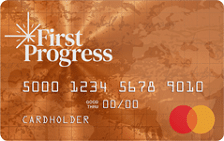
First Progress Platinum Select Mastercard® Secured Credit Card
- Get a First Progress Platinum Select Card and Earn 1% Cash Back Rewards!
- Secure your credit line with your refundable security deposit – choose from $200- $2,000 - with the ability to increase…
- Annual fee
- $39
- Recommended credit
- Poor / No Credit Required
- Purchase APR
- 18.74% variable based on the Prime Rate

Current Build Card
- Build credit with no minimum deposits and no annual fee
- Up to 4% APY on savings
- Annual fee
- $0.00
- Recommended credit
- Good / Poor / Fair
- Purchase APR
- 0.00%
More guides
How to Choose a Credit Card in 2026
Picking a credit card in 2026 comes down to one question: what do you want the card to do for you?
How Balance Transfer Credit Cards Work
A balance transfer moves debt from one or more credit cards to a new card, usually to take advantage of a lower or 0% introductory APR.
Secured Credit Cards Explained: How They Work and When to Move On
A secured credit card works like any other credit card at the checkout, but you provide a refundable cash deposit when you open the account.
Credit Card APR Explained: Purchase, Balance Transfer, Cash Advance and Penalty Rates
APR, or annual percentage rate, is the yearly cost of borrowing on a credit card, expressed as a percentage.
Credit Score Ranges and Credit Card Approval
Card issuers describe their products with labels such as “excellent,” “good” or “fair” credit.
Cash Back vs. Travel Rewards: Which Credit Card Type Fits You?
Rewards cards fall into two broad camps: cash back cards that return a percentage of your spending as money, and travel cards that earn points or miles for trips.
Credit Card Annual Fees Explained: When a Fee Is Worth Paying
An annual fee is a yearly charge for keeping a credit card open.
How to Read Credit Card Terms and Disclosures
Before you apply for a card, the issuer must show a standardized summary of rates and fees.
Business vs. Personal Credit Cards: Which Should You Use?
If you run a business, you can often choose between a personal card and a business card.