Guide
How Balance Transfer Credit Cards Work
A balance transfer moves debt from one or more credit cards to a new card, usually to take advantage of a lower or 0% introductory APR. The debt does not disappear; it simply sits on a new account where less of each payment goes to interest. Understanding the moving parts helps you decide whether a transfer will actually save you money.
The three numbers that decide whether a transfer is worth it
- The introductory APR and its length. Offers are expressed as a rate for a set number of months from account opening. A longer period gives you more time to pay down the balance.
- The balance transfer fee. Most issuers charge a percentage of each amount transferred, added to your new balance. A fee of a few percent can still be far cheaper than months of interest at a typical card APR, but it is not free.
- The regular APR afterwards. Whatever remains when the introductory period ends begins accruing interest at the card’s standard variable rate.
Deadlines and limits
Introductory transfer rates usually apply only to transfers completed within a window after you open the account, often the first few months. Transfers made later may get the regular APR. The amount you can move is also limited by your new credit line, and issuers generally will not let you transfer a balance between two cards they issue.
Build a payoff plan before you apply
Divide the total you plan to transfer, plus the transfer fee, by the number of months in the introductory period. That monthly figure is what you need to pay to clear the balance before the standard rate begins. If the number is not realistic, a longer offer, a smaller transfer or a different approach may suit you better.
Common mistakes to avoid
- Using the new card for everyday purchases. New purchases may not get the 0% rate, and payments are often applied in ways that leave higher-rate balances outstanding longer.
- Missing a payment. A late payment can bring a late fee and, depending on the card’s terms, may affect the introductory rate.
- Running the old cards back up. A transfer only helps if the old accounts stay paid down.
How a transfer can affect your credit
Applying for a new card typically means a hard inquiry, which can lower your score slightly for a short time. Over time, a lower overall utilization rate and a record of on-time payments can help. Closing old accounts after a transfer reduces your total available credit, so consider keeping no-fee accounts open.
Confirm the terms
Introductory periods, fees and eligibility rules vary between cards and change over time. Read the issuer’s current pricing and terms before you apply; they take precedence over any summary, including the card pages on this site.
This guide is general information, not financial advice. Card terms vary by issuer and change over time; confirm details with the issuer before applying.
Balance Transfer Credit Cards to compare

Upgrade Cash Rewards Visa®
- $200 bonus after opening a Rewards Checking Plus account and making 3 debit card transactions*
- Earn 1.5% unlimited cash back on card purchases every time you make a payment
- Annual fee
- None
- Recommended credit
- Excellent / Good / Fair
- Purchase APR
- 14.99%-29.99% variable based on creditworthiness and the Prime Rate

Citi® Diamond Preferred® Card
- 0% Intro APR for 21 months on balance transfers from date of first transfer and 0% Intro APR for 12 months on purchases…
- There is a balance transfer fee of either $5 or 5% of the amount of each transfer, whichever is greater
- Annual fee
- $0
- Recommended credit
- Excellent / Good
- Intro APR
- 0% for 12 months on Purchases
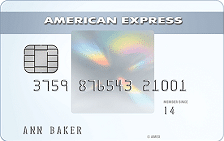
Amex EveryDay® Credit Card
- Earn 20% extra points when you make 20+ purchases in a billing period
- 2X points per dollar spent at U.S. supermarkets (up to $6,000)
- Annual fee
- None
- Recommended credit
- Excellent / Good
- Intro APR
- 0% for 15 months from account opening date
More guides
How to Choose a Credit Card in 2026
Picking a credit card in 2026 comes down to one question: what do you want the card to do for you?
Secured Credit Cards Explained: How They Work and When to Move On
A secured credit card works like any other credit card at the checkout, but you provide a refundable cash deposit when you open the account.
Credit Card APR Explained: Purchase, Balance Transfer, Cash Advance and Penalty Rates
APR, or annual percentage rate, is the yearly cost of borrowing on a credit card, expressed as a percentage.
Credit Score Ranges and Credit Card Approval
Card issuers describe their products with labels such as “excellent,” “good” or “fair” credit.
Cash Back vs. Travel Rewards: Which Credit Card Type Fits You?
Rewards cards fall into two broad camps: cash back cards that return a percentage of your spending as money, and travel cards that earn points or miles for trips.
How to Build Credit with a Credit Card
A credit card can be one of the simplest ways to build a credit history, because card issuers report your account activity to the credit bureaus.
Credit Card Annual Fees Explained: When a Fee Is Worth Paying
An annual fee is a yearly charge for keeping a credit card open.
How to Read Credit Card Terms and Disclosures
Before you apply for a card, the issuer must show a standardized summary of rates and fees.
Business vs. Personal Credit Cards: Which Should You Use?
If you run a business, you can often choose between a personal card and a business card.