Guide
How to Read Credit Card Terms and Disclosures
Before you apply for a card, the issuer must show a standardized summary of rates and fees. Learning to read it takes a few minutes and tells you far more than a marketing headline does.
Interest rates
The table lists the APR for purchases, balance transfers and cash advances. Rates are usually variable and tied to a benchmark, and the rate you receive depends on your credit profile. Introductory rates have an end date, after which the regular rate applies.
Fees
Look for the annual fee, balance transfer fee, cash advance fee, foreign transaction fee, late payment fee and returned payment fee. Not every card charges all of them.
How interest is calculated
The disclosure explains the grace period, which is the time you have to pay your statement balance in full without interest on new purchases, and the method used to compute the balance that interest applies to.
Questions to ask yourself
- Will I pay the balance in full each month, or do I need a low ongoing rate?
- Do any fees apply to the way I plan to use the card?
- What happens when an introductory offer ends?
Card terms change frequently. The details on this site come from the information listed on the original card pages, so always confirm the current terms on the issuer’s site.
This guide is general information, not financial advice. Card terms vary by issuer and change over time; confirm details with the issuer before applying.
Low Interest Credit Cards to compare
Members First Visa Platinum with Annual Fee Card
- Enjoy special 2x bonus points on every purchase
- Easily redeem points for a variety of rewards
- Annual fee
- $12
- Recommended credit
- Excellent / Good
- Purchase APR
- 10.90% Fixed
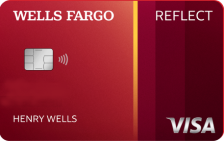
Wells Fargo Reflect Card
- 0% intro APR for 21 months from account opening on purchases and qualifying balance transfers.
- Cell phone protection for up to $600 when you pay your monthly cell phone bill with your eligible Wells Fargo card
- Annual fee
- None
- Recommended credit
- Excellent / Good
- Intro APR
- 0% for 21 months from date of account opening, with an extension of…

Security Service Power Mastercard® Business Credit Card
- APR as low as 7.995 of purchases
- Low, fixed rate on balance staffers
- Annual fee
- None
- Recommended credit
- Excellent / Good
- Purchase APR
- 10.99% to 12.99% variable based on creditworthiness and the Prime Rate
More guides
How to Choose a Credit Card in 2026
Picking a credit card in 2026 comes down to one question: what do you want the card to do for you?
How Balance Transfer Credit Cards Work
A balance transfer moves debt from one or more credit cards to a new card, usually to take advantage of a lower or 0% introductory APR.
Secured Credit Cards Explained: How They Work and When to Move On
A secured credit card works like any other credit card at the checkout, but you provide a refundable cash deposit when you open the account.
Credit Card APR Explained: Purchase, Balance Transfer, Cash Advance and Penalty Rates
APR, or annual percentage rate, is the yearly cost of borrowing on a credit card, expressed as a percentage.
Credit Score Ranges and Credit Card Approval
Card issuers describe their products with labels such as “excellent,” “good” or “fair” credit.
Cash Back vs. Travel Rewards: Which Credit Card Type Fits You?
Rewards cards fall into two broad camps: cash back cards that return a percentage of your spending as money, and travel cards that earn points or miles for trips.
How to Build Credit with a Credit Card
A credit card can be one of the simplest ways to build a credit history, because card issuers report your account activity to the credit bureaus.
Credit Card Annual Fees Explained: When a Fee Is Worth Paying
An annual fee is a yearly charge for keeping a credit card open.
Business vs. Personal Credit Cards: Which Should You Use?
If you run a business, you can often choose between a personal card and a business card.